
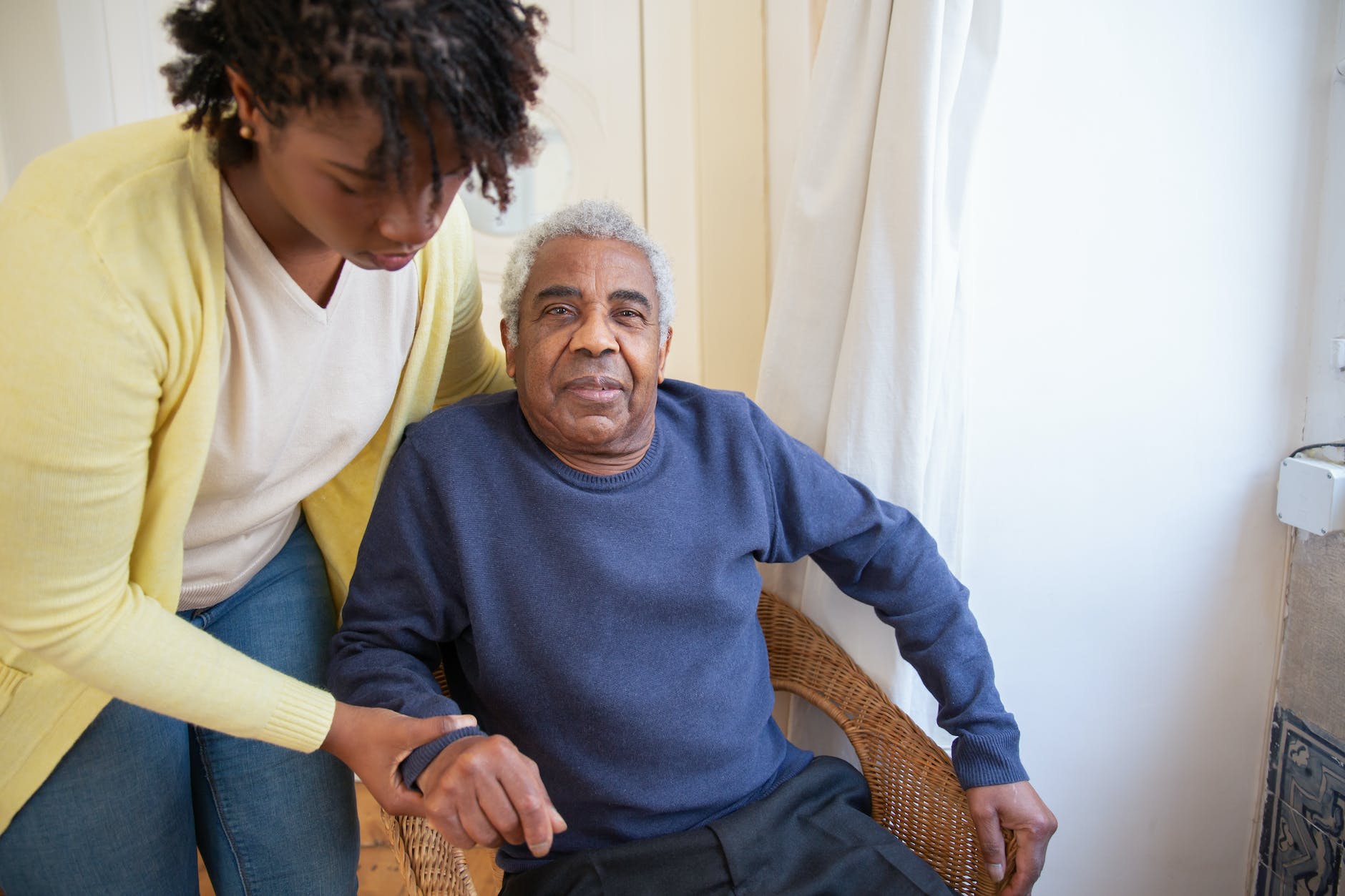
More than 2 million home care workers across the United States provide personal assistance and health care support to older adults and people with disabilities in home and community-based settings, (PHI).
Home care is among the top 10 fastest-growing jobs.
Delivery of long-term services and supports has increasingly shifted from institutional settings (nursing homes) to private homes and communities over the last decade; doubling the home care workforce. As the population of older adults rapidly grows, its expected to further drive demand for home care positions.
Home care jobs are largely government funded. Of the industry’s $71 billion in annual revenue, 72% is funded by public programs; primarily Medicare and Medicaid
Approximately 9 in 10 home care workers are women, with a median age of 45.
People of color comprise more than half of the home care workforce.
More than half of home care workers currently have no formal education, beyond high school.
Home care worker wages have not kept up with inflation over the past 10 years, contributing to low incomes and high poverty rates of workers. 24% of home care workers live in households below the federal poverty level and over half rely on some form of public assistance.
The uninsured rate for home care workers is 26%, and over 1/3 rely on public health coverage, most often Medicaid or Medicare.


What does this mean?
A significant gap is emerging– with greater demand and a labor force with minimal growth, there will be an insufficient number of workers to provide home care services.
This makes job quality increasingly important. If the home care workforce is to grow, jobs will need to be more competitive, offer higher wages, and improved working conditions.
Thoughts of a Patient Care Manager (PCM):
Unfortunately, since the pandemic, I’ve already witnessed first hand the shortage of home care workers. One aspect of my job that I thoroughly enjoy is recruiting Personal Care Attendants (PCAs) to provide superior quality in-home care to consumers and clients. However, the lack of qualified, or even interested, applicants is disturbing.
I currently manage a Personal Care staff of six PCAs to care for a consumer with Multiple Sclerosis. The problem we are facing, as it appears to me, is the applicants don’t actually want the position she applied for, and accepted. I’ll contact, interview, and screen 5 candidates who applied for an open position… and, if we’re lucky, 1 will complete the required on-boarding documents and show up for her training shift. Within 2 weeks, that new Personal Care Attendant (PCA) is either not answering calls, or has resigned the position.
So, what’s going on? Does the current workforce have an understanding of professionalism, or are they simply just clicking “apply” without considering the responsibility? I’m not entirely sure. One thing I know is that if I accept a position, in any capacity, I’ll follow through with my contractual obligation and I’ll provide the absolute best possible assistance that I’m capable of.
If you’re dealing with similar issues, or have something to add.. I’d love to hear your thoughts. Please leave a comment, share, or like.
 Kris' PCA Services
Leave a comment