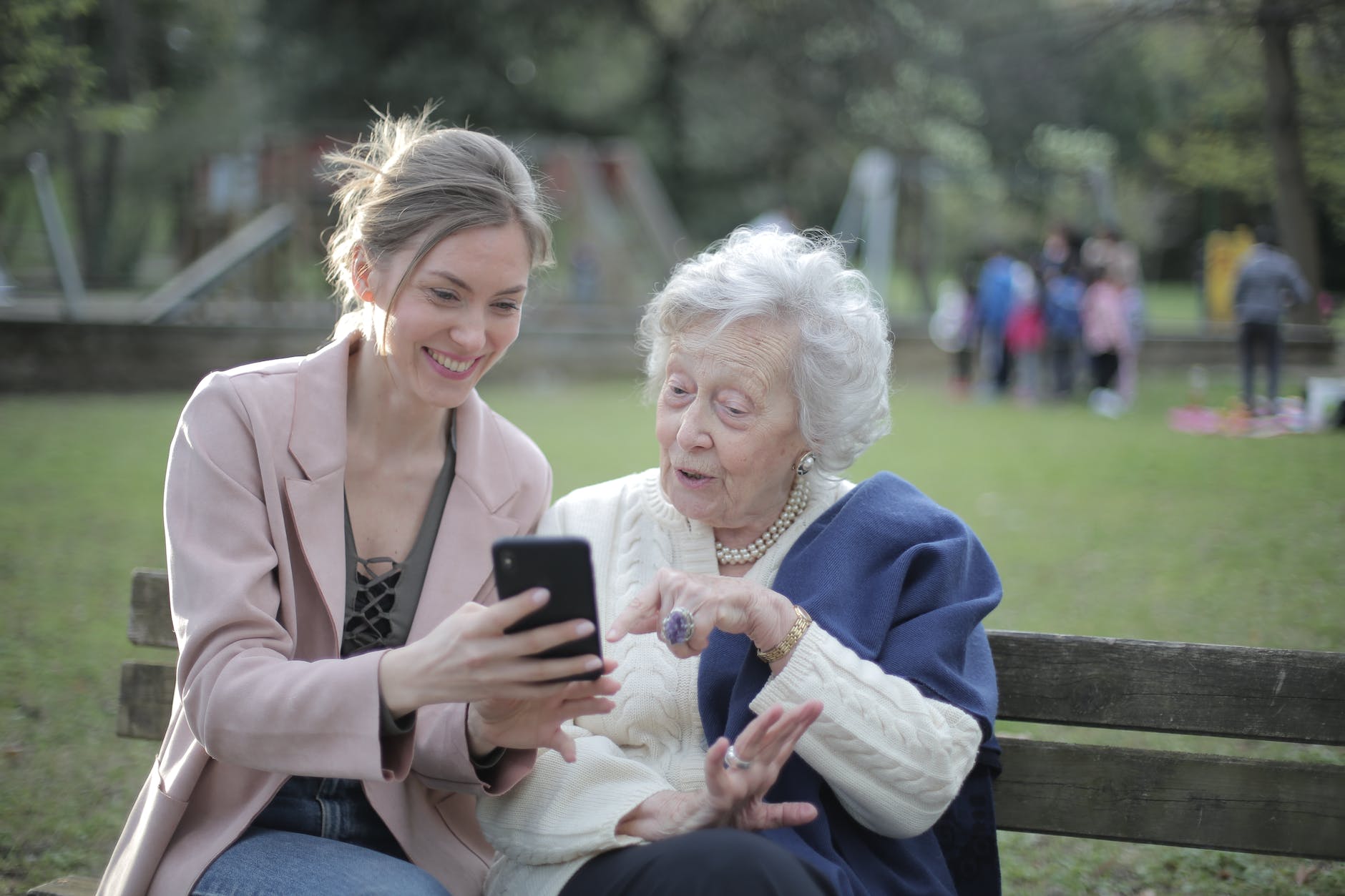
Two-thirds of U.S. adults, and more than three-quarters of those age 50+, want to stay in their home as they get older, according to AARP’s November 2021 “Home and Community Preferences” survey. This is commonly referred to as “aging in place.”
The strain placed on a family caregiver can be overwhelming and highly stressful. We all recognize that time away from our caregiving roles is absolutely necessary. From one family caregiver to another… respite care is invaluable and essential to lessen the occurrence of caregiver burnout.
Finding qualified, compassionate assistance isn’t an easy task. Trusting a stranger to care for your disabled mother, is a daunting thought.
Several types of paid in-home caregivers provide a range of services, everything from help around the house to skilled health care.
I’ve compiled a list of home care workers and what people in these roles can offer you or your loved one.
Companions & Caregivers
- Meal preparation
- Light housekeeping
- Provides companionship
- Does shopping and errands
- Escorts to doctor and other appointments
- No certification or license required
Working as a companion requires a lot of compassion, attentiveness, and care towards the responsibilities of this job role. Caregivers are required to assist the clients with all their daily activities, helping them lead healthy and safe lives. They are required to empathize with difficult situations to provide emotional support to the clients in hard times. They need to be present with them to help them through disabilities, aging, or sickness.
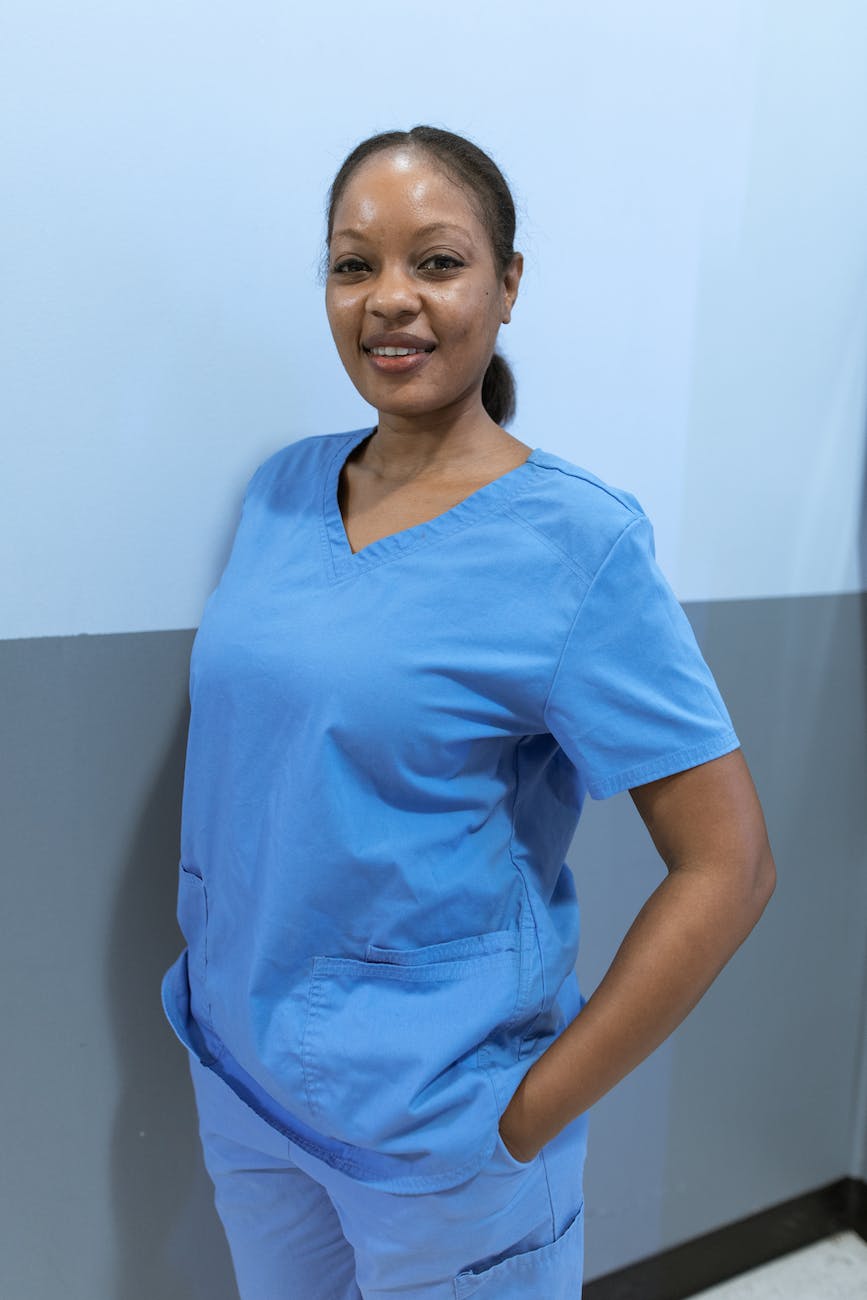
Personal Care Attendant (PCA)
- Performs tasks of a companion, plus many personal care activities
- Bathing
- Grooming
- Toileting
- The focus of a PCA is to perform Activities of Daily Living (ADLs) and Instrumental Activities of Daily Living (IADLs)
- PCAs are not licensed and have varying levels of experience and training
- Training requirements vary by state, and some states do not have formal standards (such as Massachusetts)
The exact nature of the work varies to meet the needs of the individual being cared for. These individuals provide non-medical care to the elderly or disabled in their homes, rather than in a skilled nursing facility.
House-bound clients may need their PCA to do grocery shopping, make bank deposits, or pick up prescriptions. A PCA may also help with simple medical care. For instance, the PCA may change or reinforce dressings or take basic vital signs.
Home Health Aide (HHA)
- Performs all tasks of a Companion and a PCA, plus
- Trained HHAs should be able to check vital signs (blood pressure, respiration rates, pulse)
- Observes recipient’s physical and mental health and reports on conditions to health care professionals such as a registered nurse
- States set the training requirements. Massachusetts, requires 75 hours


Certified Nursing Assistant (CNA)
- Performs all tasks as Companion, PCA and HHA
- Observes recipient’s physical and mental health and reports on conditions to health care professionals such as a registered nurse
- Pass the Nurse Aide Competency Evaluation

 Kris' PCA Services
Leave a comment